

本文深入探讨JavaScript的原型继承机制,解析原型链的形成原理。通过对比基本模式、借用构造函数、圣杯模式及作者提出的深拷贝方案,分析各实现方式的优缺点。重点解决共享原型导致的对象属性污染问题,提供完整的继承实现代码与注意事项。
JavaScript原型继承概述
严格来说,JavaScript并非传统的面向对象语言,缺乏标准的继承机制。但它提供了一种基于原型的继承方式,通过利用内置的原型属性来实现对象间的继承关系。
原型与原型链
原型与原型链机制
在讨论原型继承之前,有必要先厘清原型和原型链的概念,因为它们是实现原型继承的基础。在JavaScript中,每个函数都拥有一个指向其原型的prototype属性。由该函数实例化的对象则拥有__proto__属性,指向该函数的原型。由于原型本身也是对象,它同样拥有__proto__属性指向更上层的原型,如此层层递进,直至Object对象的原型,从而构成原型链。
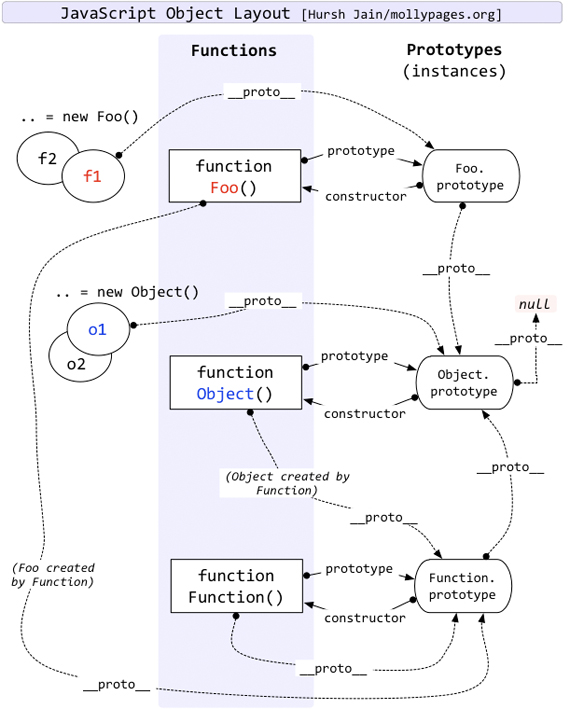
所有函数本质上都是由Function构造函数创建的对象,因此每个函数也拥有__proto__属性,指向Function函数的原型。需要明确的是,真正构成原型链的是每个实例对象的__proto__属性,而非函数的prototype属性,这一点至关重要。
原型继承
基本原型继承模式
基本模式
代码如下:
var Parent = function(){
this.name = 'parent' ;
} ;
Parent.prototype.getName = function(){
return this.name ;
} ;
Parent.prototype.obj = {a : 1} ;
var Child = function(){
 this.name = 'child' ;
} ;
Child.prototype = new Parent() ;
var parent = new Parent() ;
var child = new Child() ;
console.log(parent.getName()) ; //parent
console.log(child.getName()) ; //child
这是实现原型继承最简单的方法,即将父类的实例直接赋值给子类的prototype属性。这样,子类的实例即可访问父类以及父类构造函数prototype中的属性。这种继承方式的原型结构如下图所示:
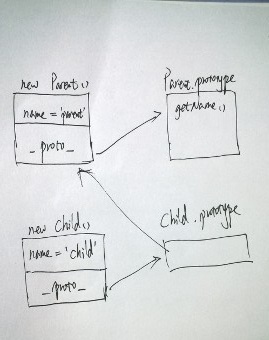
该方法的优点在于实现简单,无需特殊操作;但缺点同样明显。如果子类需要执行与父类构造函数相同的初始化逻辑,则必须在子类构造函数中重复编写父类的初始化代码:
代码如下:
var Parent = function(name){
this.name = name || 'parent' ;
} ;
Parent.prototype.getName = function(){
return this.name ;
} ;
Parent.prototype.obj = {a : 1} ;
var Child = function(name){
 this.name = name || 'child' ;
} ;
Child.prototype = new Parent() ;
var parent = new Parent('myParent') ;
var child = new Child('myChild') ;
console.log(parent.getName()) ; //myParent
console.log(child.getName()) ; //myChild
上述情况仅涉及初始化name属性,若初始化逻辑日益复杂,这种方式将变得极不方便。因此,出现了改进方案。
借用构造函数模式
借用构造函数
代码如下:
var Parent = function(name){
this.name = name || 'parent' ;
} ;
Parent.prototype.getName = function(){
return this.name ;
} ;
Parent.prototype.obj = {a : 1} ;
var Child = function(name){
 Parent.apply(this,arguments) ;
} ;
Child.prototype = new Parent() ;
var parent = new Parent('myParent') ;
var child = new Child('myChild') ;
console.log(parent.getName()) ; //myParent
console.log(child.getName()) ; //myChild
该方法通过在子类构造函数中使用apply调用父类构造函数,从而执行相同的初始化工作。无论父类包含多少初始化逻辑,子类均可执行。然而,此实现存在一个问题:父类构造函数被执行了两次,一次在子类构造函数内部,另一次在赋值子类原型时。这种冗余操作需要进一步优化:
代码如下:
var Parent = function(name){
this.name = name || 'parent' ;
} ;
Parent.prototype.getName = function(){
return this.name ;
} ;
Parent.prototype.obj = {a : 1} ;
var Child = function(name){
 Parent.apply(this,arguments) ;
} ;
Child.prototype = Parent.prototype ;
var parent = new Parent('myParent') ;
var child = new Child('myChild') ;
console.log(parent.getName()) ; //myParent
console.log(child.getName()) ; //myChild
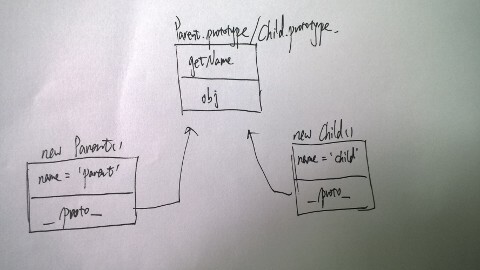
如此,我们只需在子类构造函数中执行一次父类构造函数,同时继承父类原型中的属性。这符合原型的初衷,即将可复用内容置于原型中,而继承的正是这些可复用内容。该方式的原型结构如下:
圣杯模式与原型隔离
临时构造函数模式(圣杯模式)
上述借用构造函数模式的改进版仍存在隐患。它将父类原型直接赋值给子类原型,导致对子类原型的修改会同时影响父类原型,进而影响父类对象,这通常不是期望的结果。为解决此问题,引入了临时构造函数模式。
代码如下:
var Parent = function(name){
this.name = name || 'parent' ;
} ;
Parent.prototype.getName = function(){
return this.name ;
} ;
Parent.prototype.obj = {a : 1} ;
var Child = function(name){
 Parent.apply(this,arguments) ;
} ;
var F = new Function(){} ;
F.prototype = Parent.prototype ;
Child.prototype = new F() ;
var parent = new Parent('myParent') ;
var child = new Child('myChild') ;
console.log(parent.getName()) ; //myParent
console.log(child.getName()) ; //myChild
该方法的原型继承结构如下:
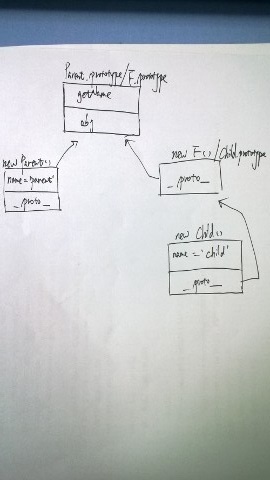
可以看出,通过在父类原型和子类原型之间引入临时构造函数F,切断了子类原型与父类原型的直接联系。这样,当修改子类原型时,不会影响父类原型。
深拷贝继承方案
我的方法
《Javascript模式》一书在介绍圣杯模式后便结束,但上述方法均存在一个不易察觉的问题。注意我在Parent的prototype属性中定义了一个obj对象字面量属性,但一直未使用。基于圣杯模式,我们考察以下情况:
代码如下:
var Parent = function(name){
this.name = name || 'parent' ;
} ;
Parent.prototype.getName = function(){
return this.name ;
} ;
Parent.prototype.obj = {a : 1} ;
var Child = function(name){
 Parent.apply(this,arguments) ;
} ;
var F = new Function(){} ;
F.prototype = Parent.prototype ;
Child.prototype = new F() ;
var parent = new Parent('myParent') ;
var child = new Child('myChild') ;
console.log(child.obj.a) ; //1
console.log(parent.obj.a) ; //1
child.obj.a = 2 ;
console.log(child.obj.a) ; //2
console.log(parent.obj.a) ; //2
在上述情况中,当修改child对象的obj.a时,父类原型中的obj.a也会被修改,这与共享原型的问题类似。原因在于,访问child.obj.a时,会沿原型链查找至父类的prototype,找到obj属性后对其a属性进行修改。再看另一种情况:
代码如下:
var Parent = function(name){
this.name = name || 'parent' ;
} ;
Parent.prototype.getName = function(){
return this.name ;
} ;
Parent.prototype.obj = {a : 1} ;
var Child = function(name){
 Parent.apply(this,arguments) ;
} ;
var F = new Function(){} ;
F.prototype = Parent.prototype ;
Child.prototype = new F() ;
var parent = new Parent('myParent') ;
var child = new Child('myChild') ;
console.log(child.obj.a) ; //1
console.log(parent.obj.a) ; //1
child.obj.a = 2 ;
console.log(child.obj.a) ; //2
console.log(parent.obj.a) ; //2
这里存在一个关键问题:当对象访问原型中的属性时,该属性对对象而言是只读的。也就是说,child对象可以读取obj对象,但无法修改原型中obj对象的引用。因此,当child修改obj时,并不会影响原型中的obj对象,它只是在自身对象上添加了一个obj属性,覆盖了父类原型中的obj属性。然而,当child修改obj.a时,它先读取了原型中obj的引用,此时child.obj和Parent.prototype.obj指向同一对象,因此child对obj.a的修改会影响Parent.prototype.obj.a的值,进而影响父类对象。AngularJS中关于$scope嵌套的继承方式即模仿JavaScript的原型继承实现。根据上述描述,只要子类对象访问到的原型与父类原型是同一对象,就会出现上述情况。因此,我们可以对父类原型进行拷贝后再赋值给子类原型,这样当子类修改原型属性时,仅修改父类原型的副本,不影响父类原型。具体实现如下:
代码如下:
var deepClone = function(source,target){
source = source || {} ;
var toStr = Object.prototype.toString ,
arrStr = '[object array]' ;
for(var i in source){
if(source.hasOwnProperty(i)){
var item = source[i] ;
if(typeof item === 'object'){
target[i] = (toStr.apply(item).toLowerCase() === arrStr) : [] ? {} ;
deepClone(item,target[i]) ;
}else{
deepClone(item,target[i]) ;
            }
        }
    }
return target ;
} ;
var Parent = function(name){
this.name = name || 'parent' ;
} ;
Parent.prototype.getName = function(){
return this.name ;
} ;
Parent.prototype.obj = {a : '1'} ;
var Child = function(name){
 Parent.apply(this,arguments) ;
} ;
Child.prototype = deepClone(Parent.prototype) ;
var child = new Child('child') ;
var parent = new Parent('parent') ;
console.log(child.obj.a) ; //1
console.log(parent.obj.a) ; //1
child.obj.a = '2' ;
console.log(child.obj.a) ; //2
console.log(parent.obj.a) ; //1
综合上述所有考虑,JavaScript继承的具体实现如下,此处仅考虑Child和Parent均为函数的情况:
代码如下:
var deepClone = function(source,target){
source = source || {} ;
var toStr = Object.prototype.toString ,
arrStr = '[object array]' ;
for(var i in source){
if(source.hasOwnProperty(i)){
var item = source[i] ;
if(typeof item === 'object'){
target[i] = (toStr.apply(item).toLowerCase() === arrStr) : [] ? {} ;
deepClone(item,target[i]) ;
}else{
deepClone(item,target[i]) ;
            }
        }
    }
return target ;
} ;
var extend = function(Parent,Child){
 Child = Child || function(){} ;
 if(Parent === undefined)
 return Child ;
 //借用父类构造函数
 Child = function(){
 Parent.apply(this,argument) ;
 } ;
 //通过深拷贝继承父类原型
 Child.prototype = deepClone(Parent.prototype) ;
 //重置constructor属性
 Child.prototype.constructor = Child ;
} ;
总结
总结
综上所述,JavaScript实现继承的方式灵活多样,并无绝对最优解,需根据具体需求选择。关键在于理解JavaScript继承的原理,即原型和原型链机制。只要透彻理解这些概念,即可灵活实现各种继承需求。